Educational
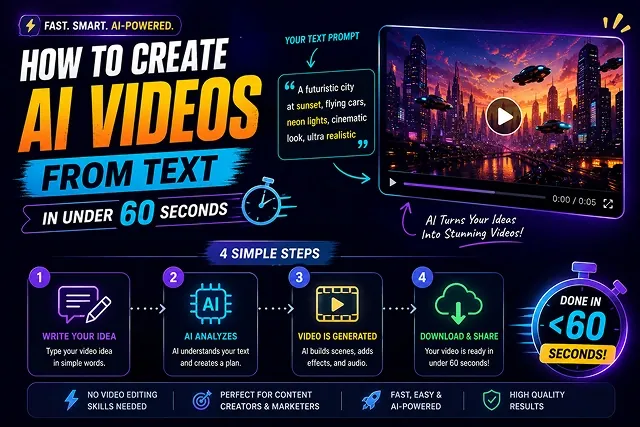
How to Create AI Videos From Text in Under 60 Seconds
Master the art of prompt engineering with our comprehensive cheat sheet on cinematic lighting keywords for raw AI video quality.

Insights, tutorials, and news about the future of generative video.
Master the art of prompt engineering with our comprehensive cheat sheet on cinematic lighting keywords for raw AI video quality.
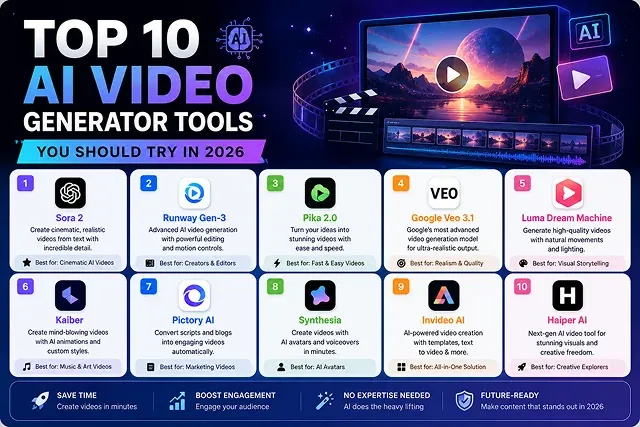
Technologies for generating videos have come a long way since the time when they used to create basic video effects.
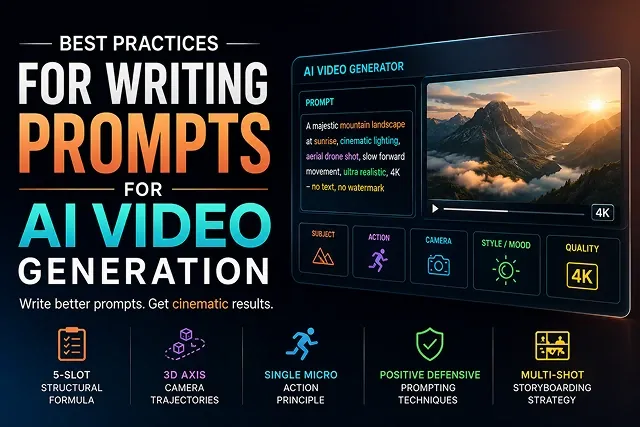
Prompt engineering for AI video generation has moved past standard image-prompting techniques.

Previously, localization would have involved the need for hiring the foreign talent to perform voice-overs, securing studio time, and manually editing complex timelines.
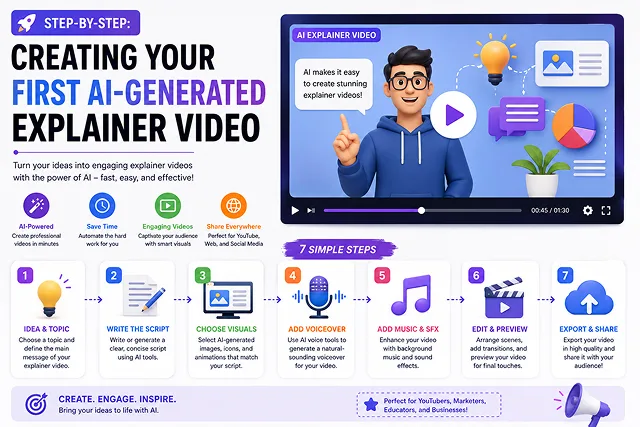
Explainer films clarify intricate concepts, commodities, or services into brief, visually appealing segments.
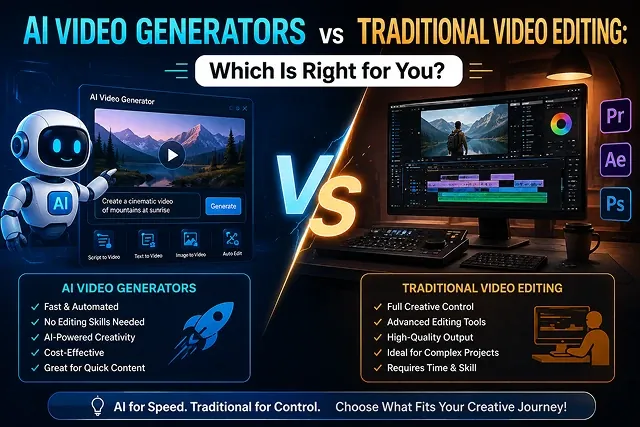
The advent of artificial intelligence has changed the landscape of digital media creation.
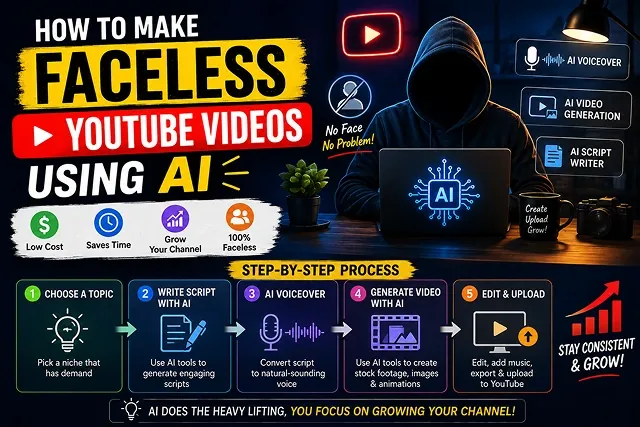
Building a successful faceless YouTube channel in 2026 requires moving past generic stock-footage loops and low-effort prompt-to-video tools.
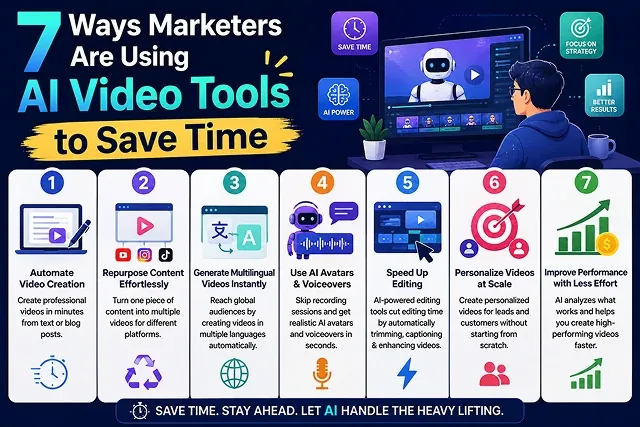
Video production used to be one of the costliest and longest processes within digital marketing.
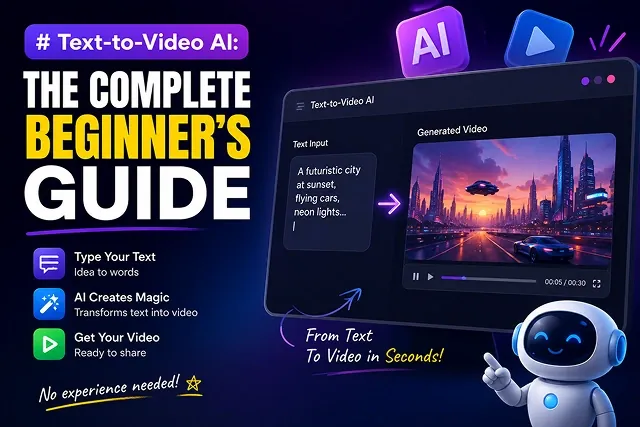
Video production was difficult process that until fairly recently required use of costly camera equipment, specialized lights, and complex software.
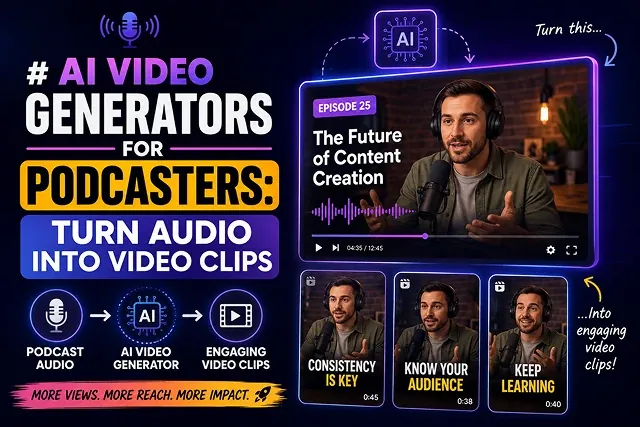
Podcasts in audio form do not get benefits from the significant technology of discovery algorithms available on social media platforms such as YouTube, TikTok, and Instagram Reels.

Making an animated explainer video up until now meant having to hire a motion graphics company, spending tons of money, and waiting for weeks to see the changes done to the final cut.

Choosing between free and paid AI video generators comes down to understanding the trade-offs between rendering speeds, resolution caps, commercial rights, and output watermarks.

Back in the day, getting a consistent video on YouTube, on TikTok, on Instagram Reels, on LinkedIn… you had a whole production staff.
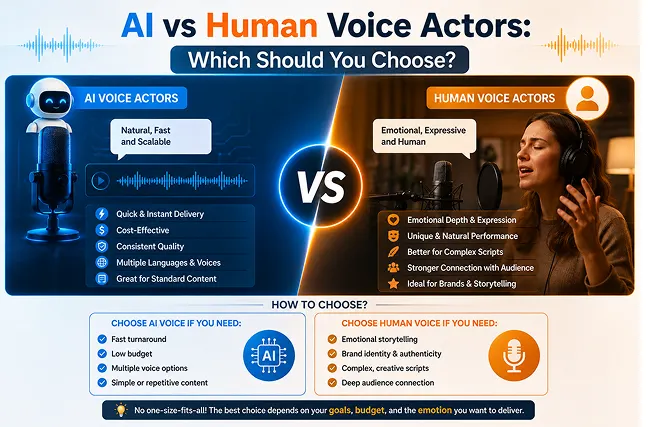
Today, AI speech technology produces incredibly lifelike neural audio with nuances of micro-prosody and emotion.
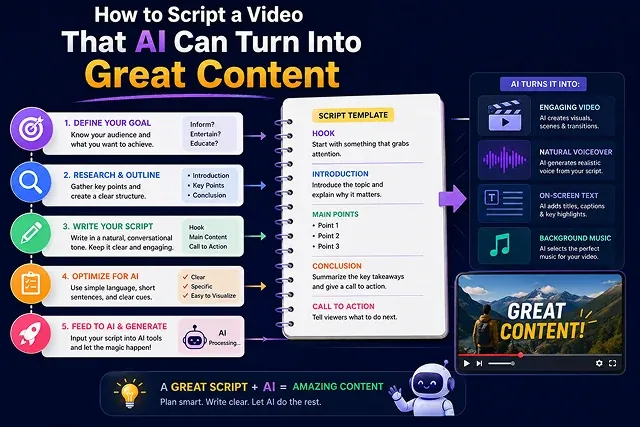
Crafting a script for an AI video creator isn't the same as crafting a movie or video script from YouTube.
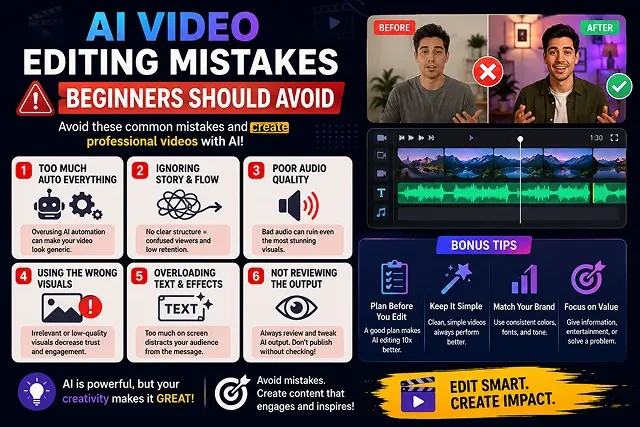
Innovative AI video creation tools like Kling 3.0, Sora 2, Runway Gen-4, and CapCut have ensured that creating videos is now easy for everyone.
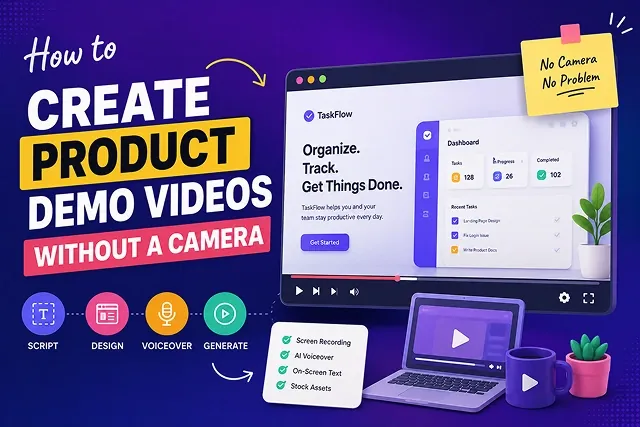
Creating a high-quality product demo video does not need costly filming equipment, studio lighting, and a camera-averse founder on screen to show it.
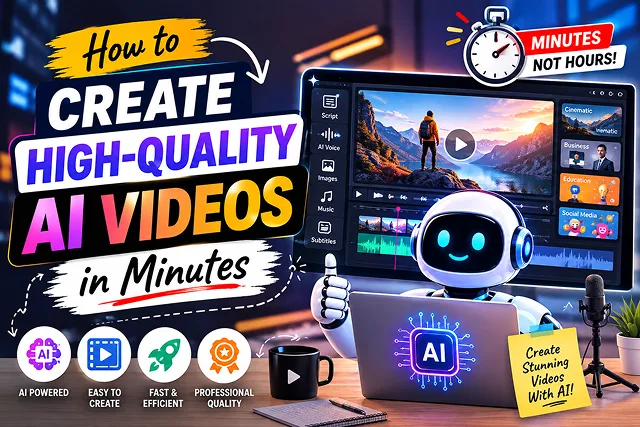
Generating high-quality, professional AI videos in minutes requires moving away from slow, trial-and-error prompting.
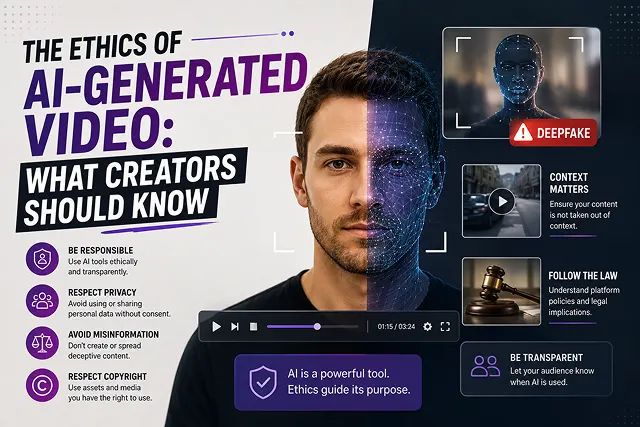
As generative video engines become both more sophisticated and easier to use, the distinction between real human footage and artificial media is becoming less pronounced.
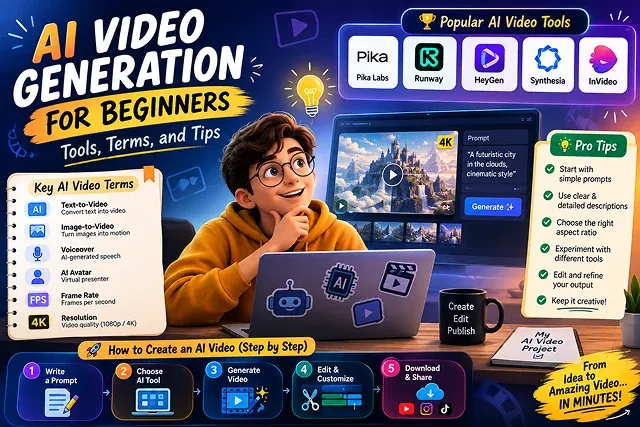
Stepping into the world of AI video creation can be daunting thanks to the fast pace of new tools appearing, new prompts, and many new technical terms.
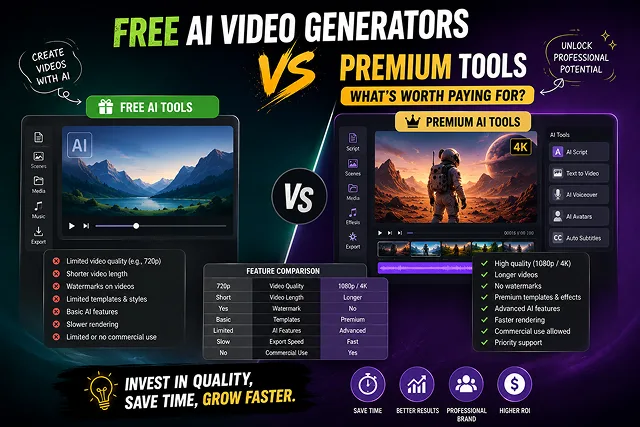
The big difference when deciding between a paid vs. Free video-making AI tool comes down to speed and resolution, commercial rights, and watermarks on the footage.
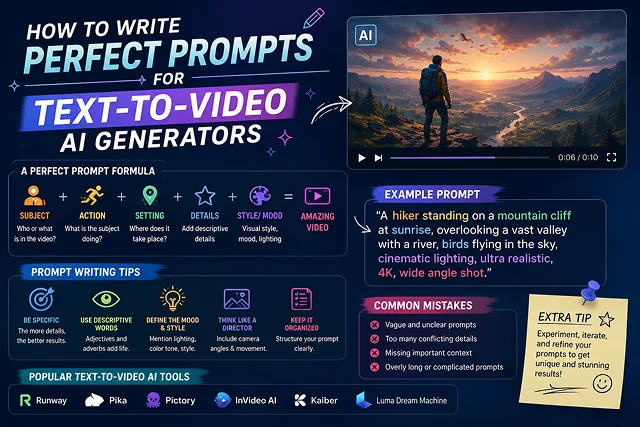
Prompting a Text-to-Video (T2V) AI generator is fundamentally different from writing a text prompt for image generation.
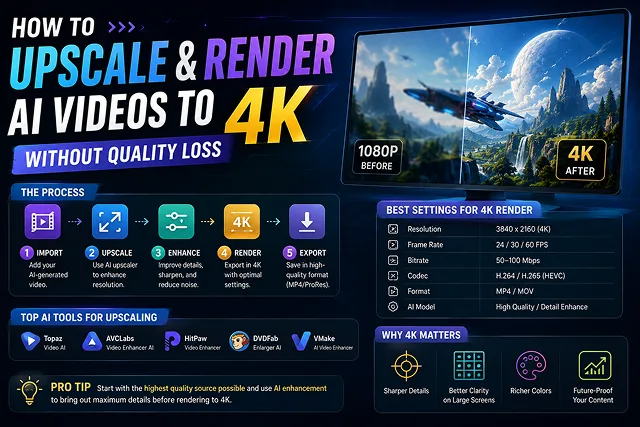
Getting AI-generated videos (such as from Kling, Runway, Google Veo, or Wan 2.2) up to 4K resolution is not a matter of just exporting them at a resolution of 3840 x 2190.
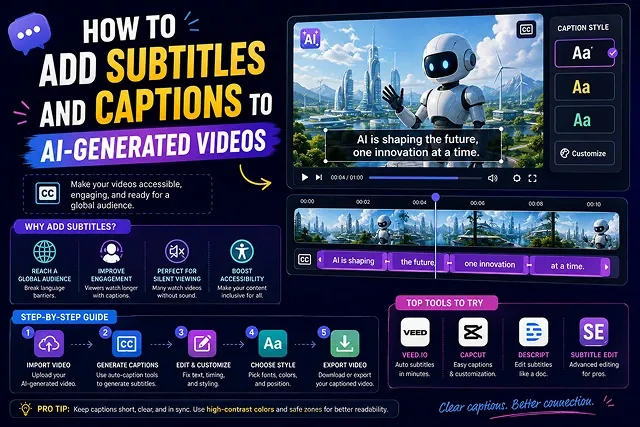
Around 80% of short-form video watchers prefer to view their videos on their mobile devices with the sound turned off.
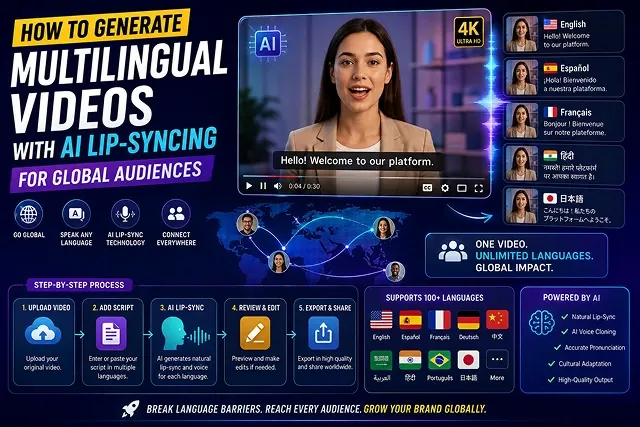
In the past, to localize video content for its target audience, it was necessary to recruit local voice artists, deal with translation companies, and spend weeks retaking the videos manually.
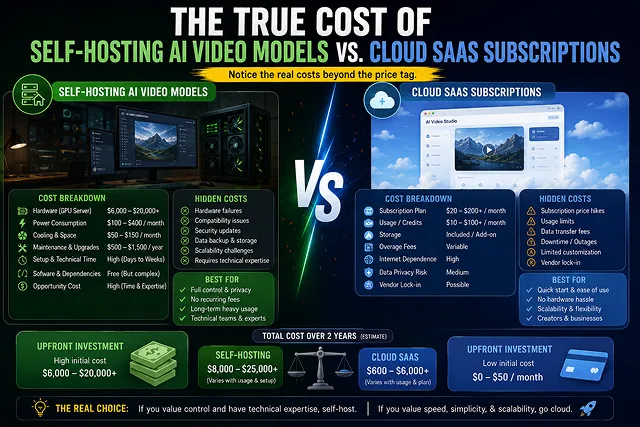
To use AI video production at scale, content creators and developers must make a critical choice: to go with managed Cloud SaaS Subscriptions (for example, Runway, Kling AI, Luma, and Sora), or to implement self-hosted open-weight pipelines (like Wan 2.2/2.7 or LTX Video running on private GPUs or cloud instances such as RunPod and Vast.ai).
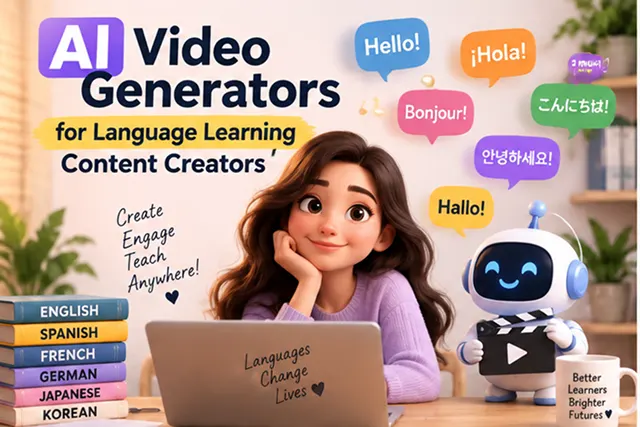
Language learning video creators encounter a different obstacle during the process of video production; it needs to be ensured that the learners see visemes, hear native accents, and watch subtitles at the same time.

Insurance agreements are famous for their complicated legal clauses, tricky addenda, and confusing deductible levels.
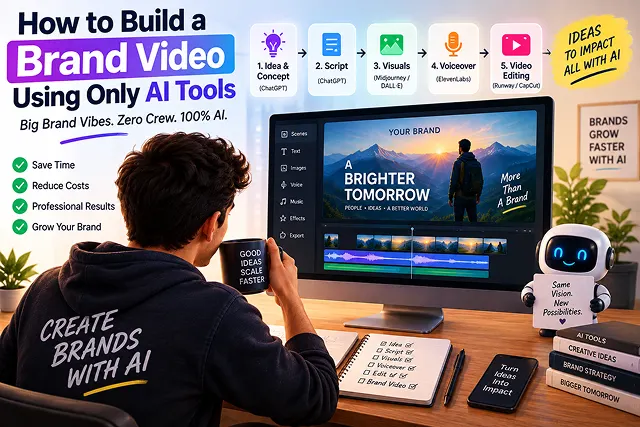
In the past, creating a commercial brand video that achieves maximum possible reach involved hiring a production company, bringing in actors, creating sound stages, and having budgets in excess of thousands of dollars.
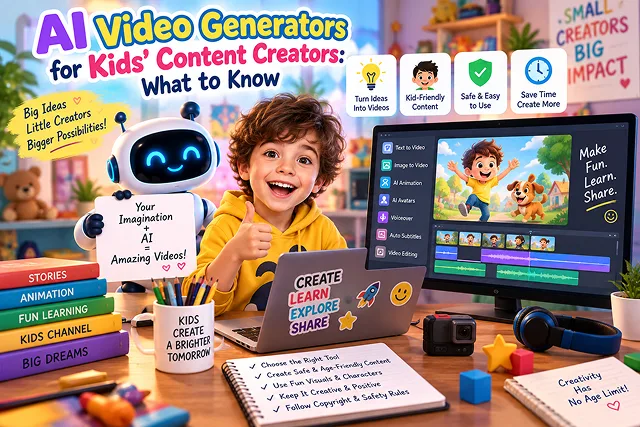
Children’s media and educational media rank among the fastest-growing niches in video platforms like YouTube Kids, TikTok, and educational sites.

In the modern global market of beauty and skincare, visuals and proof play crucial roles.
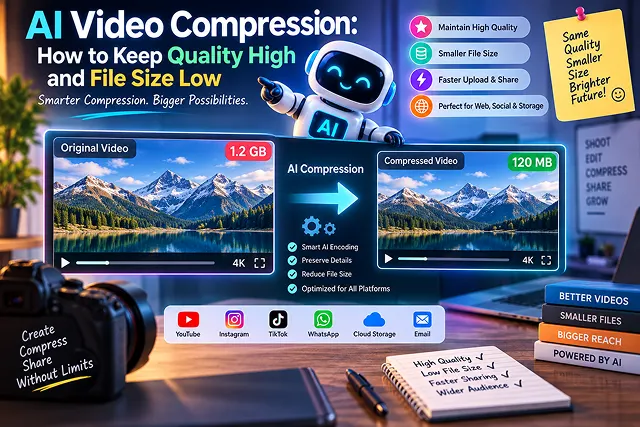
More than sixty-five percent of internet bandwidth is used for high-resolution video streaming.

For independant music producers, audio engineers and electronic musicians there has always been a distribution bottleneck: streaming algorithms and social platforms are optimized for short form vertical video, not raw audio files.
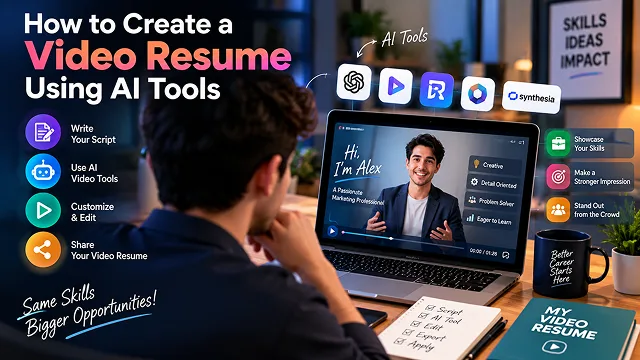
In competitive hiring markets, standard written resumes can be seen as generic.

Personal fitness trainers and strength coaches often face an income ceiling dictated by billable hours: trading time for one-on-one sessions leaves little room for scaling revenue.

Case studies are certainly among the most effective tools in B2B marketing, but prospective buyers hardly have enough time to read through lengthy papers.

An explainer video of a company is often considered the most valuable tool for a corporate website.
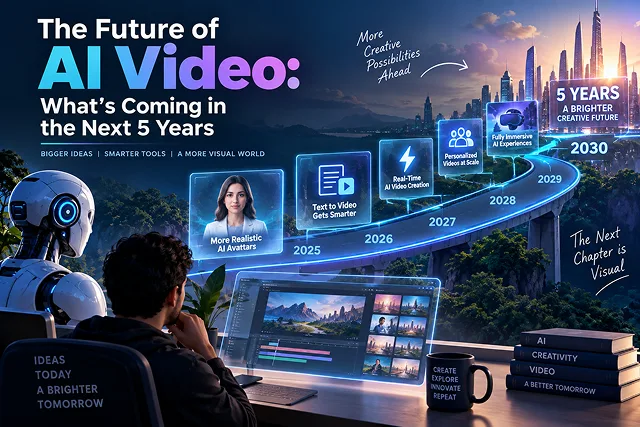
AI video has grown out of early generative diffusion technologies known for producing scary, otherworldly morphs.
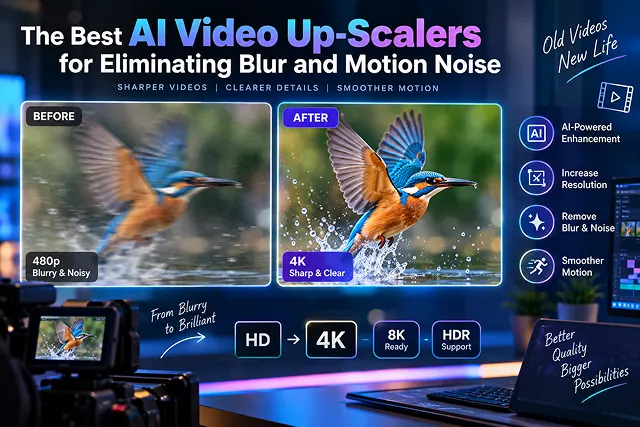
Upscaling videos has progressed from the very basic bicubic interpolation and unsharp masking methods.
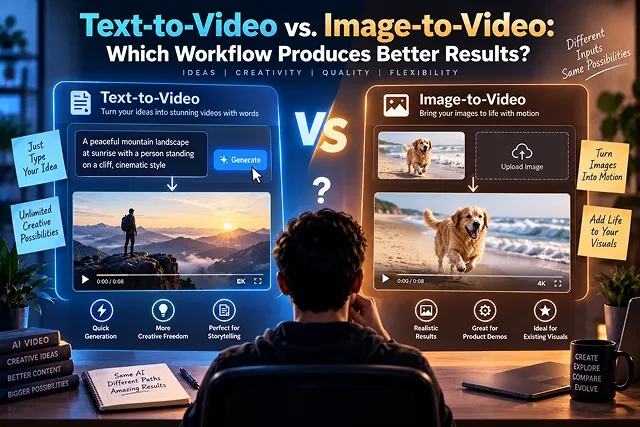
The argument between Text-to-Video and Image-to-Video displays a fundamental divide in generative media production between unrestricted creativity and stringent spatial and visual control.
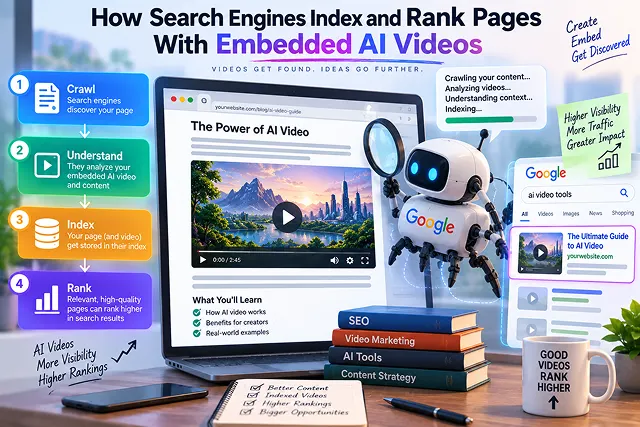
Search engines are incapable of cataloging or evaluating videos in regard to visuals.